
Citizenship
Egypt isn’t just a setting — it’s a society. Citizens trade, legislate, and organise. The game gives you the mechanics; the players run the civilisation.
Trade
Egypt has no central currency and no central auction house. What things are worth is decided by the people doing the trading — and every trade happens either face to face, or through a player-built shop.
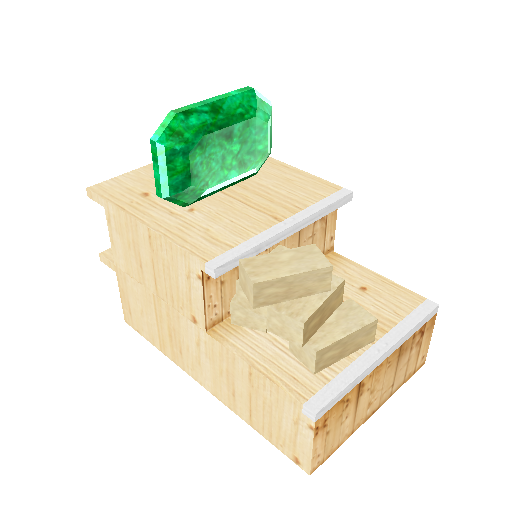
expand_more Read more about trade
Player-built storefronts that work while you sleep
Build shop displays, set what you sell, and define exactly what you’ll accept in return. Buyers can complete trades directly from the menu without you being online — load stock, walk away, and come back to collect your accumulated payments.
- Multiple display form factors — small, large, bridge pieces, and freezers for prepared food.
- Sell either general goods or very specific variants, including named or unique items.
- Configurable barter rules: define the input item, quantity, and what you’ll give back.
- Restock when convenient and collect payments in bulk — sale stock and accumulated payment are tracked separately.
- Customise the look of your shop with paint colours and decorative toppers so your market stands out.
A real economy
Because there’s no fixed price list, prices change with what people need. A region short on flax will pay differently to a region drowning in it. Trade routes between regions are a real thing players run, not a quest line. New players quickly learn the value of asking around.
Law
Egypt’s rules are written by its citizens. There’s no GM dropping decrees from above — if you want something to change, you write a petition, gather signatures, and put it to a vote.
expand_more Read more about law
Three kinds of petition
- Laws — binding rules within a house’s territory. Need 15 signatures to qualify, and more than 50% of the vote to pass.
- Codes of Conduct — advisory community standards (not mechanically enforced). Need 35 signatures to qualify, and 66% of the vote to pass.
- Feature Requests — Egypt-wide proposals for new game features. Need 25 signatures and go to an Egypt-wide vote.
Petitions are physical objects
Once you’ve written one, a petition exists as a physical object you carry. Other players can ask you for a copy, walk around with it, and gather signatures of their own. Up to 21 people can hold copies at once.
Voting
When an election is running, head to any Voting Booth. Each petition on the ballot is displayed with its full text. Vote Yes, No, or Abstain — and you can change your vote any time before the ballot closes.
After the vote
Passed laws enter the Law Library, viewable at any Voting Booth alongside the history of past elections. Authors of laws that pass earn an achievement.
Guilds
Guilds in Egypt are fully player-run organisations — with deep tools for growth, identity, and governance. Unusually for an MMO, you can join as many of them as you like.
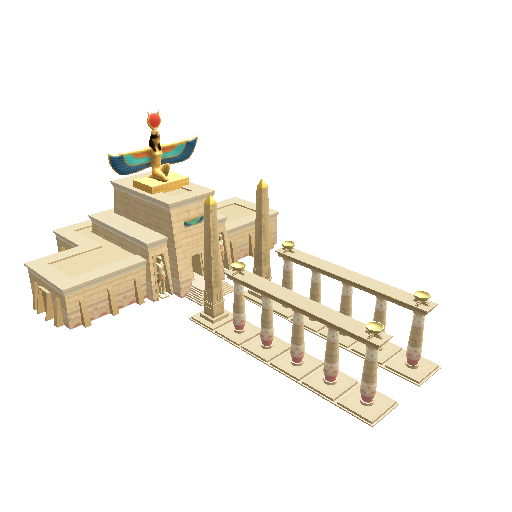
expand_more Read more about guilds
Join as many as you want
There’s no cap, and guilds form for any purpose. A guild for beer brewers. A guild for the people working through the Test of the Darkest Night together. A two-person guild between friends. A large new-player guild that maintains shared workshops and tools so newcomers don’t need to build every bit of infrastructure on their own. Most active citizens belong to several at once.
Run yours your way
- Approval-based recruiting, fully open enrollment, or temporarily closed with a custom message — your call.
- Eight rank tiers from Initiate to Elder, with promote/demote/remove tools for elders.
- Optional hidden roster and hidden hall location for guilds that prefer to stay private.
- Rank-gated access to guild-owned buildings and storage.
A shared home that grows with you
Guild Halls have visual upgrade tiers funded by donations of bricks, boards, and Camp Decoration tokens — the building literally changes shape as the guild grows.
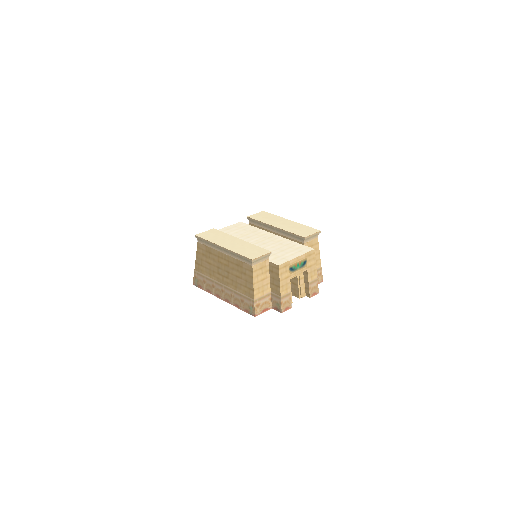
Tier 1
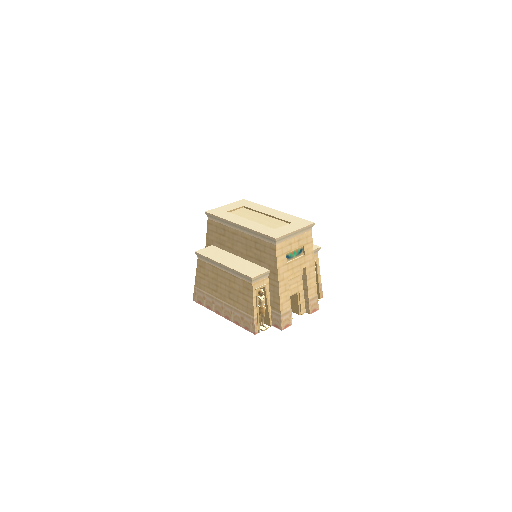
Tier 2
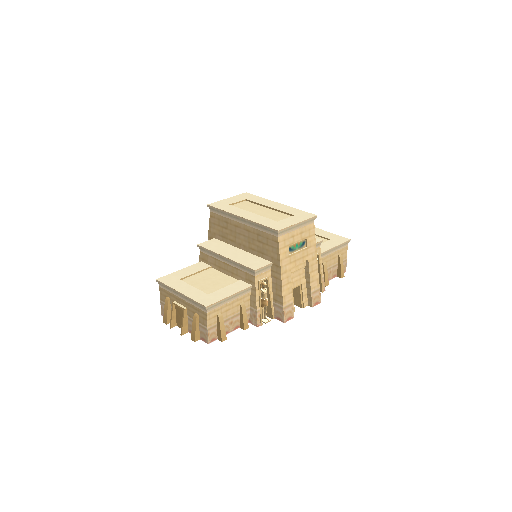
Tier 3
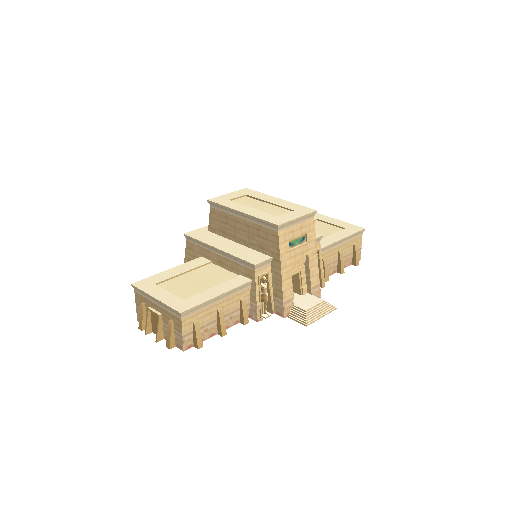
Tier 4
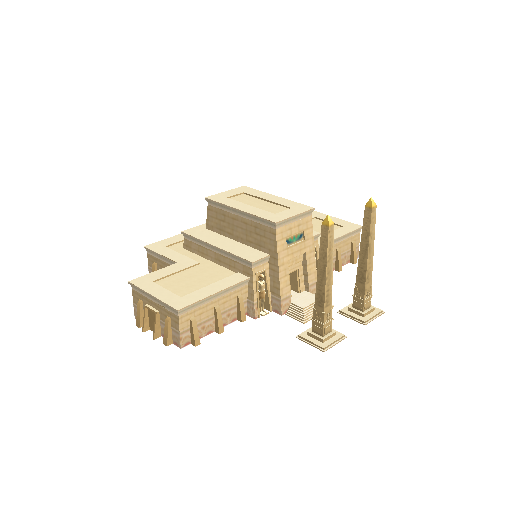
Tier 5
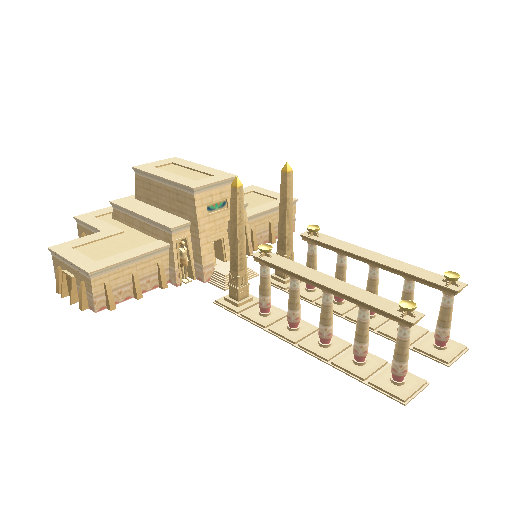
Tier 6
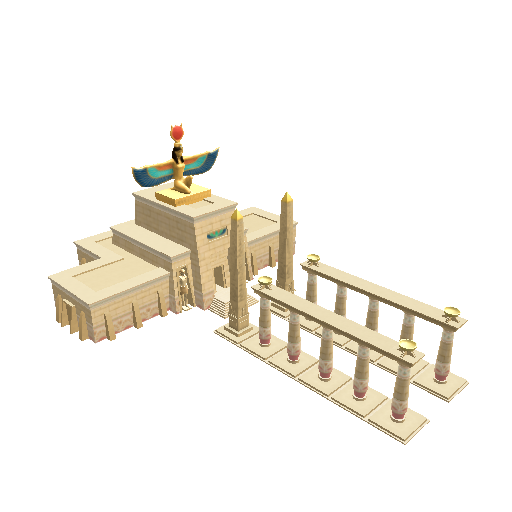
Tier 7
- Member capacity is configurable and expandable up to 500.
- Halls can be repositioned (with limits) and revived if torn down.
Communicate as a unit
- Every guild gets its own dedicated chat channel with configurable message colour.
- Built-in bulletin slots for pinned guild messages.
- Editable guild profile text shown in
/info. - Optional system-style notifications for joins, applications, and promotions.